
Early Affirmations
The art, objects, and places that unlocked queerness for our authors!

To celebrate Pride Month the Shipman Agency asked its authors about what first made them feel seen and inspired as a queer writer. Consider these recommendations, totems, or tools for living authentically!
When I was eleven and had just gotten my first Walkman, my college-age older brother burned me an Ani DiFranco mix CD that changed my life. For the rest of middle and high school, Ani was everything to me; I studied her poetry, went to her concerts, quoted her lyrics in all my AIM away messages. For an artsy nerd with queer yearnings and literary ambitions growing up in a town of six hundred, Ani was a lodestar, the provocative role model I hadn't known I needed. Though our sexual identities and politics have diverged since then, there's a secret pocket of my brain where I still keep the lyrics to almost every song.
In the 1990s my motorbike was my transference object. I had no idea that trans was a thing you could be, I just knew I wanted to be one of the boys, and I only felt like myself when my female body was hidden beneath my biking leathers and a full-face motorcycle helmet. After decades of trying to live a motorcycle-free, cis-het life, I took my children to a motorcycle rally to give them a glimpse of my old life. The longing I experienced to be back on my bike—and to return to being the person I’d been back then—made it impossible for me to continue denying who I was. I wrote the opening scene of my memoir, Frighten the Horses, the day after the rally, and haven’t stopped writing since.
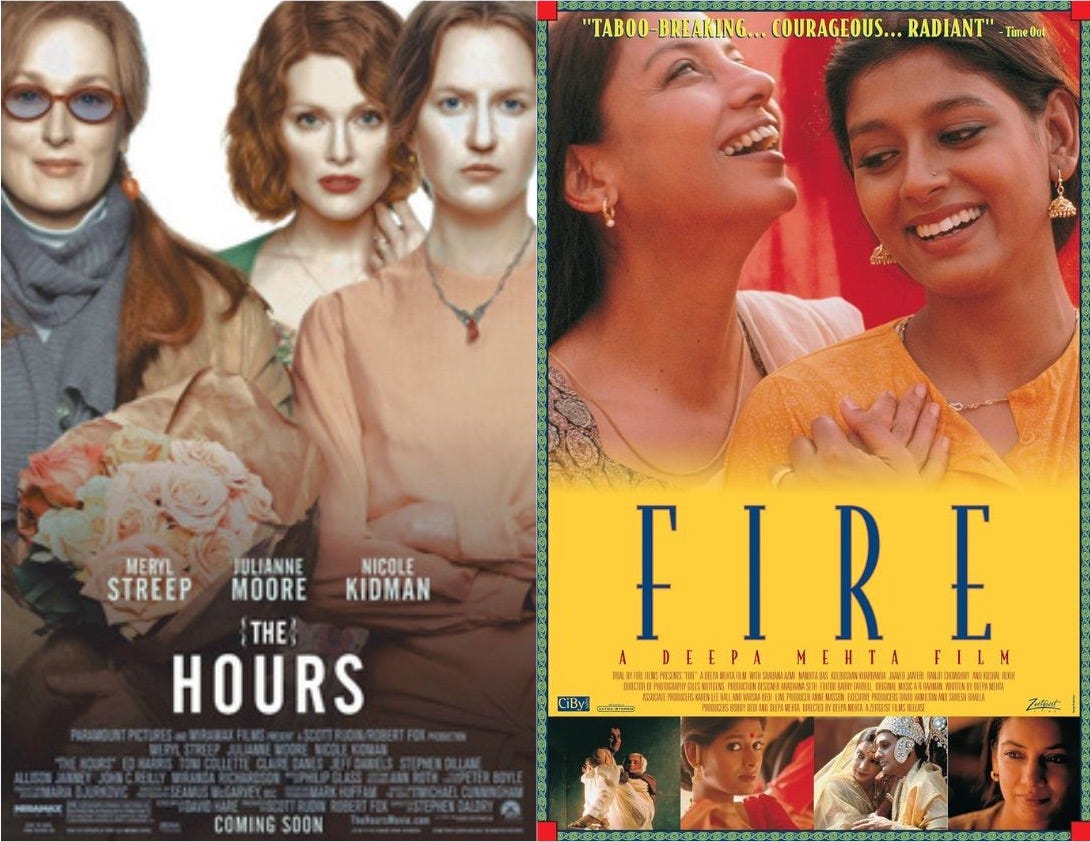
There are two films that share the same kind of resonance in my mind. In my memory, they are films I found near one another so their influence is enmeshed and indistinguishable from one another. I think the first depiction of queerness that I ever encountered and understood was The Hours, I was maybe twelve. Soon after, or around the same time, I heard about Fire by Deepa Mehta, a film made in the 90s in India, causing a deeply homophobic rupture throughout the country. When I heard about it, I also found out about the antagonistic violence by several Hindutva gangs across India that burned down screenings due to the lesbianism of the film's contents. To a kid, barely understanding my own sexuality, I was allured by this rather than repulsed. Something inside of me felt alive at the idea of women loving women. The same thing was felt when seeing generations of queer women documented in The Hours. It had such an impact on me and its imprint, as well as Mrs. Dalloway, is entirely on my first novel, Like A Bird. I owe a lot to these early imaginations and representations of queerness.
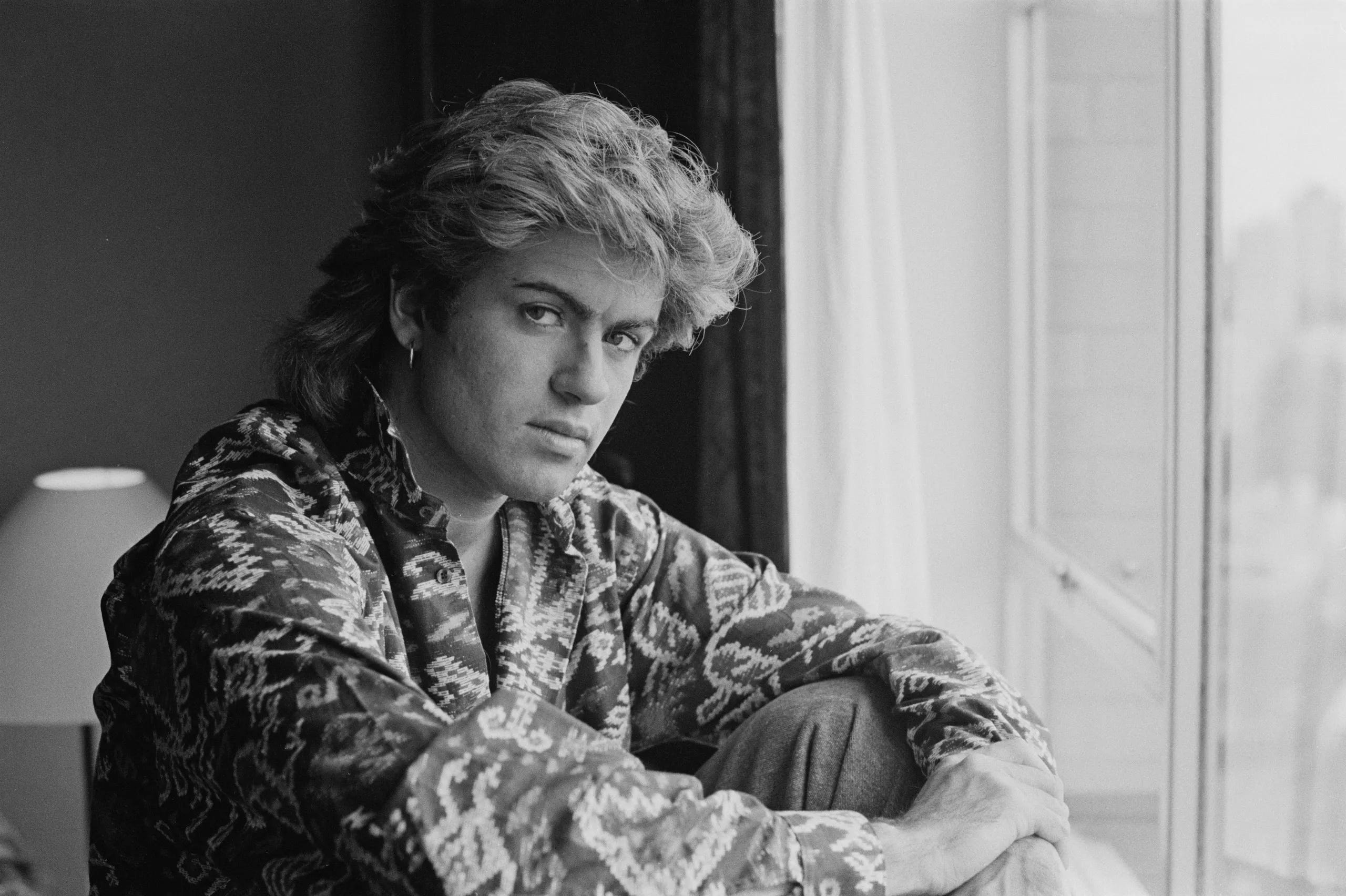
Whenever I doubt, I call on the pop-soul icon and patron saint of queers, George Michael. His father did not want him to be a musician; his mother did not want him to be gay. When iconic record producer Jerry Wexler put out "Careless Whisper," George felt it was all wrong--the sax too soft, the drums not limber enough--and decided to release his own version, freeing himself from the nostalgia and sonic iconography of the musical past, creating something new and truer to himself. George Michael not only influenced my gender expression of “delicate man,” he also taught me to choose freedom over safety in art.
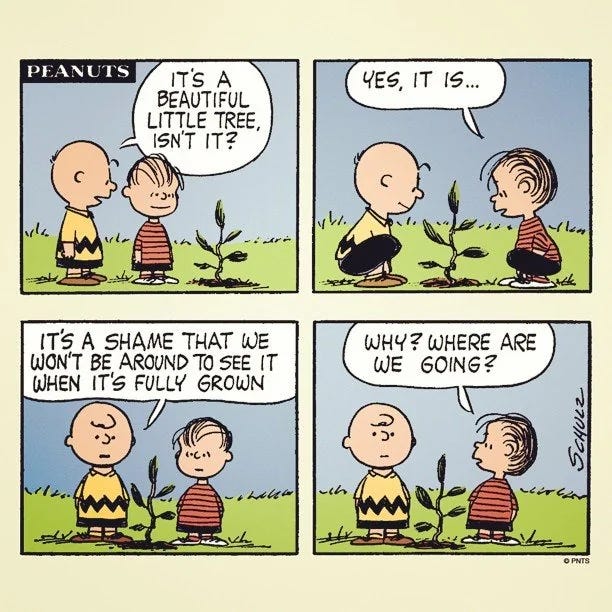
Though there are no overt signals that Linus from Peanuts is queer, I always loved it when he came on the screen. In part, it was the sound of his voice: gentle, rounded, mature, wise. He didn’t seem interested in stereotypes of how boys should behave and had no qualms about sucking his thumb and dragging his blanket, which must have been dirty, around. He made himself up on his own terms without making a show of it. He taught Charlie Brown how to rethink Christmas without belittling or dominating him.
Stone Butch Blues by Leslie Feinberg holds a special place in my heart because it was the first book that I'd ever read that starred lesbians and trans people! It also was the first book I'd ever read that reflected back to me issues that I was still thinking through and seeing in my local sapphic community. It's a heavy, necessary book that's still a must-read for everyone -- queer folks especially. I try to reach for the level of honesty, craft, and unapologetic centering of my people that Feinberg does in Stone Butch Blues in my own writing.
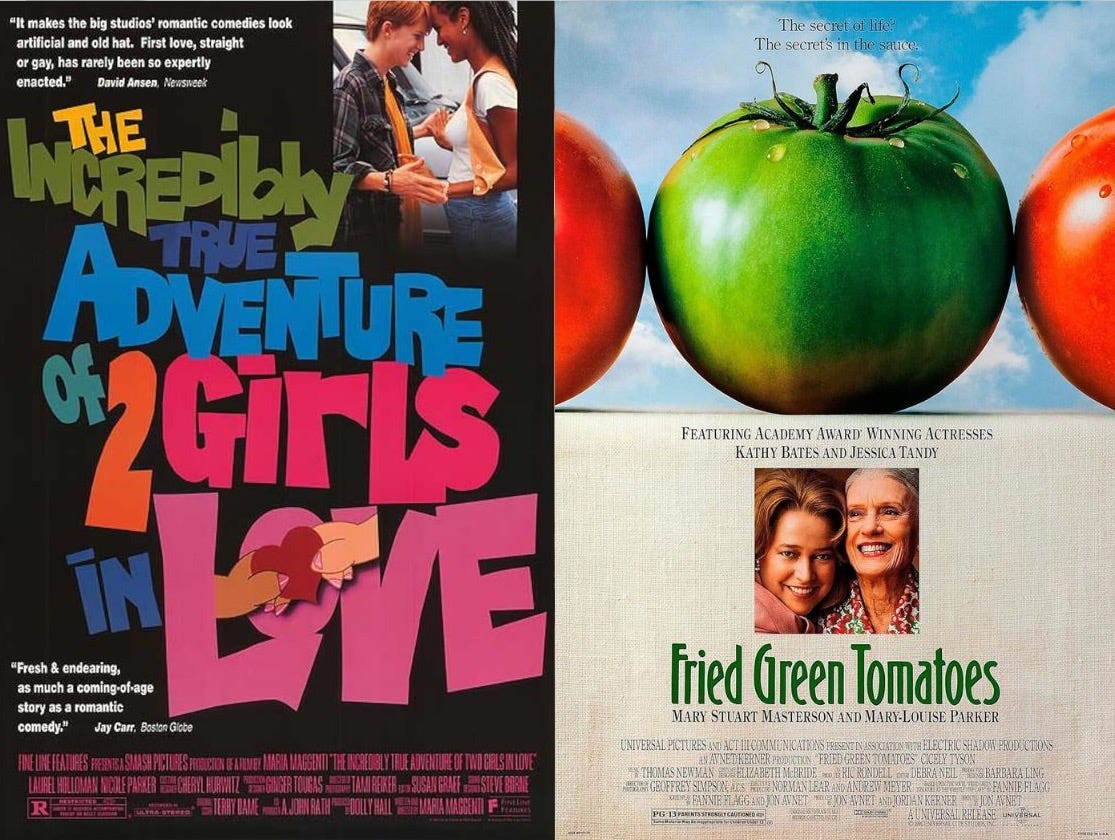
Definitely the movies The Incredibly True Story of Two Girls in Love and Fried Green Tomatoes. I mean, Idgie Threadgood?! The queer free spirit? She was so affirming. I feel like both films showed a kind of queerness through the ages, even if Idgie wasn't 'out' in the modern sense. Two Girls in Love hit my teen self hard. It was like "Oh ok, I don't have to be a teenager like everyone else is a teenager. I am definitely not the same as other girls I know but there's this much more fun and expansive way I could be.”
My first true moment of this kind was late: the song “Les and Ray” by Kathleen Hanna and Johanna Fateman. It’s not about seeing your queerness in another body. It’s about the entanglement (though that is not quite the right word) of queerness and art that can make you feel the potential for freedom. That space of real connection and impact happened for me as it happens in this song, through walls and across distances and in an essentially deeply private way.
The first class I took in college was with the legendary literary critic D.A. Miller called “Topics in Gay Male Representation.” The first thing he did in class was pass around a trifold brochure for Provincetown, which as I recall was thick and white with green lettering, just this seemingly innocuous piece of paper promoting a tourist destination. Then he started to decode the language: “dunes offering privacy” as code for “great gay cruising spots” and “bohemian” meaning “queer” and I can’t remember but something meant “glory holes are available”! It was one of my early exposures to how queer people can use levels of language to speak to different audiences, which provoked a fascination that still permeates my work today.